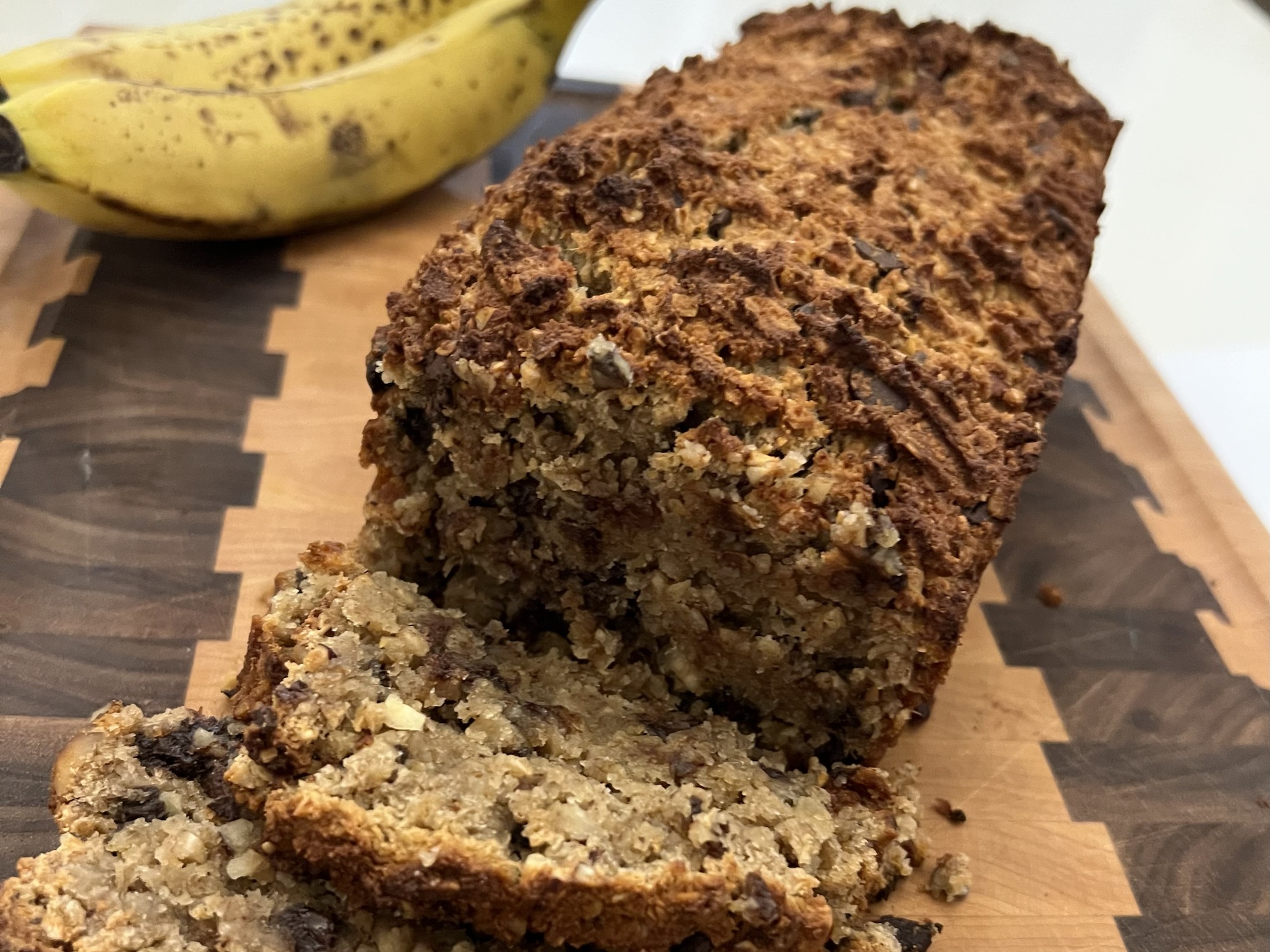
This week’s “Back to Basics” series with Victoria at The Young Homestead is all about bread. From sourdough starters to traditional challah, we’re delving into the heart of breadmaking—an art form that has brought warmth, nourishment, and community to homes for centuries.
For me, challah is more than just a recipe; it’s a ritual. Every Friday, we set aside time to mix, knead, and braid dough, filling our home with the rich, inviting aroma of freshly baked bread that sets the stage for the weekend.
Why Challah?
Challah is a staple in our home, especially on Fridays. This beautifully braided bread has a tender, slightly sweet crumb that’s perfect on its own or topped with butter, jam, or even chocolate hazelnut spread (a favorite of my kids). Over the years, I’ve tested countless recipes and techniques, each bringing its own twist. It’s only in the past year, however, that I discovered a method that consistently produces soft, flavorful loaves with just the right amount of chew. The secret? A “poolish” starter—a small, pre-fermented dough that enhances the flavor and texture of the bread.
So, whether you’re a seasoned baker or just beginning your breadmaking journey, let’s bring the joy of homemade challah to your kitchen with this tried-and-true recipe.
What Is a Poolish, and Why Does It Matter?
The key to this recipe lies in the poolish, a type of starter that involves mixing a small portion of flour, water, and yeast before adding it to the main dough. This step gives the yeast time to develop, leading to a loaf with depth and complexity. The result? A challah that’s soft, pillowy, and full of flavor. Using a poolish also adds a subtle tanginess to the bread, reminiscent of sourdough, without overpowering its classic sweet undertone.
Using a poolish also adds a subtle tanginess to the bread, reminiscent of sourdough
Ingredients
Poolish Starter
150 grams of all-purpose flour
150 grams of wheat gluten
500 ml of water
2 tablespoons of active dry yeast
Dough
700 grams of all-purpose flour
20 grams of salt
100 grams of sugar
100 grams of oil (I use sunflower or vegetable oil for a neutral flavor)
2 egg yolks
Egg Wash
2 eggs, beaten
Toppings
Sesame seeds (or poppy seeds, if you prefer)
Poolish begins to rise and bubble
Comes off sticky and stretched into your bowl
Step-by-step Guide to making Challah
Step 1: Prepare the Poolish (1-2 hours ahead)
In a small bowl, mix the flour, gluten, water, and yeast for your poolish. Stir until combined, cover with a cloth, and let it rest at room temperature for 1-2 hours. You’ll know it’s ready when bubbles form on the surface, indicating the yeast is active and fermentation has begun.
Step 2: Mix the Dough
In a large mixing bowl, combine the flour, salt, and sugar. Create a well in the center, add the poolish, water, oil, and egg yolks, and begin mixing. You can do this by hand or with a stand mixer fitted with a dough hook. Knead for about 8-10 minutes until the dough is smooth, elastic, and slightly tacky. Challah dough should be soft but not sticky.
Step 3: First Rise
Place the dough in a lightly oiled bowl, cover it with a damp cloth, and let it rise in a warm, draft-free spot for about 1-1.5 hours, or until it’s doubled in size. This is when the yeast works its magic, creating air pockets that give challah its soft, airy texture.
Step 4: Shape the Challah
Once the dough has risen, punch it down to release any excess air. Divide it into three equal parts if you’re making one large loaf or into smaller portions for multiple loaves. I love a classic three-strand braid but feel free to experiment with different braiding techniques for added visual appeal.
To braid, roll each portion into long ropes of equal thickness, then pinch the tops together and braid as desired. Tuck the ends under the loaf to keep it neat.
Step 5: Second Rise
Place your braided challah onto a lined baking sheet, brush with egg wash, and let it rise for another 45 minutes to an hour. The dough should become puffier and nearly double in size again. This second rise helps ensure a light, airy texture.
Step 6: Egg Wash and Bake
Preheat your oven to 350°F (175°C). Before baking, brush the loaves generously with egg wash again to give them a beautiful golden-brown crust. Sprinkle sesame seeds (or poppy seeds) on top for a bit of extra flavor and texture.
Bake the challah in the preheated oven for 20 minutes, or until the loaves are golden and sound hollow when tapped on the bottom. If you find the tops browning too quickly, you can tent the loaves with aluminum foil midway through baking.
Step 7: Cool and Enjoy
Allow the challah to cool on a wire rack before slicing. While the temptation to cut right in is strong, letting it cool ensures the bread holds its shape and texture. Once it’s cooled, serve it fresh for Friday night dinner or toast it up the next morning. The leftover slices make the best pain perdu (or French toast) for a special weekend treat.e
Once you’ve made your challah, there’s no end to the ways you can enjoy it throughout the week. Here are some of our family favorites:
Simple Slices with Butter: There’s nothing like fresh challah with a spread of butter. The soft, fluffy texture pairs beautifully with butter, jam, or even a touch of chocolate hazelnut spread for a sweet twist.
French Toast (Pain Perdu): Stale challah makes the perfect base for French toast. Just dip slices in a mixture of eggs, milk, vanilla, and cinnamon, then cook until golden brown.
Sandwiches: The slightly sweet flavor of challah adds a lovely contrast to savory fillings. Try it with chicken salad, smoked salmon, or even a egg salad.
Breadcrumbs: When your challah reaches the end of its shelf life, dry it out and pulse it in a food processor for homemade breadcrumbs.
These add extra flavor to casseroles, soups, and more.
A Tradition Worth Trying
Making challah from scratch is more than a recipe; it’s an experience, a tradition, and a moment to slow down and connect with the food you create. Whether you’re enjoying a fresh loaf on Friday night, toasting it for a leisurely weekend breakfast, or using it in meals throughout the week, this bread brings a sense of warmth and joy to any table.
I hope this recipe inspires you to bring challah into your weekly routine and that, like me, you find delight in the art of breadmaking. Stay tuned as Victoria and I continue exploring the basics of traditional food with a modern twist, helping you rediscover the beauty of homemade food, one recipe at a time.